By: Mike Toohill, Consulting Agronomist, AgVenture WSC
2026 harvest is on the “short rows” in most of the southern half of Illinois. There were still a lot of crops in the field along and north of I-80 when I was up that way on Sunday October 25, but another week of great harvest weather should have put a big dent in those acres.
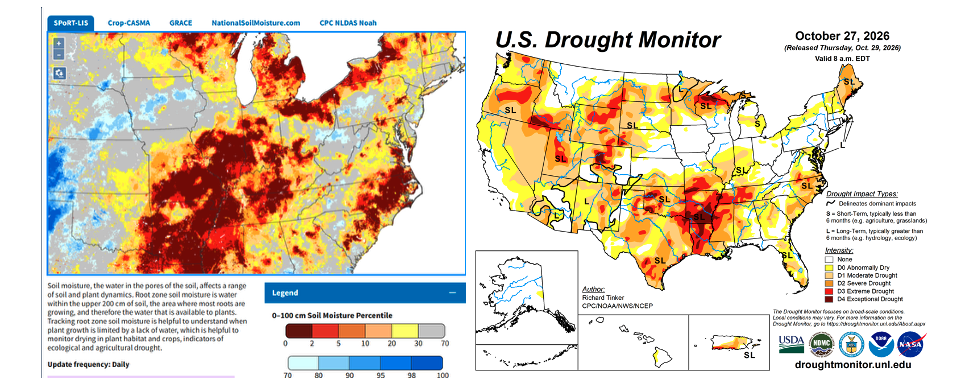
Soil moisture conditions are quite variable as harvest wraps up and more growers focus solely on 2027.
Below left is root zone moisture % in the 0-100 CM profile and the redder the map the drier the soil. Over time, the U.S. Drought Monitor is starting to also more colorful, especially in the southern 1/2 of Illinois.
Short term agronomic concerns heading into 2027 with the current dry soil conditions:
Worry about having enough moisture for a proper ammonia “seal” is very real based on current Midwest soil moisture. As I type on 75-degree plus late October day, soils are way too warm to apply NH3. Looking further out, soil temperatures are expected to stay above normal through at least early November which will allow more time for rain before soils are cool enough (50 degrees at the 4” level and trending lower and staying lower) in locations where fall ammonia is an accepted agronomic practice. Most growers are thinking that an inch prior to application would be enough moisture to properly “attach” the NH3 to the soil but I think it will take more rain than that in many areas/soil types.
If you plant winter wheat or fall covers hopefully you had enough moisture to get your crops up and growing. Worst case scenario is having just enough moisture to start the seed germination process but not enough moisture to sustain it.
Although we got “good” volunteer corn germination in most August and September harvested fields, it’s been too dry to germinate much volunteer corn in most mid to late October harvested fields. I know growers hate driving by their fields with corn growing in the fall, but getting as much of this corn killed for FREE in the fall is always best. There is still time to get this seed germinated and killed by freezing temperatures, but November needs to stay warm with much damper top soils.
If you are a tillage person, it seems like soil fracturing is going well in the hard conditions but it is taking lots of horse power and expensive diesel to get the job done.
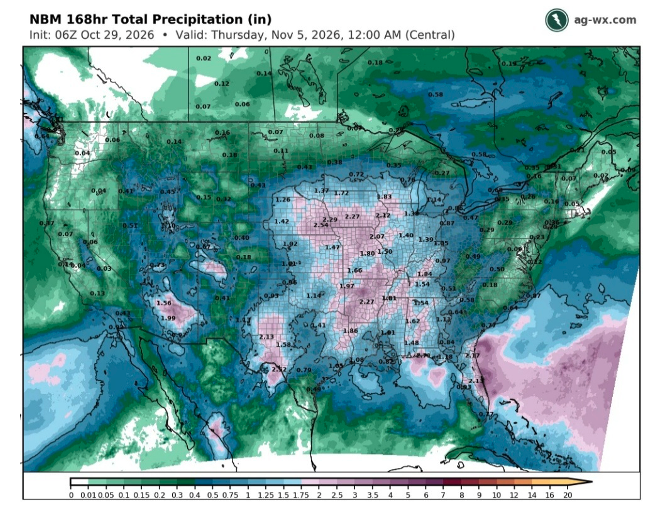
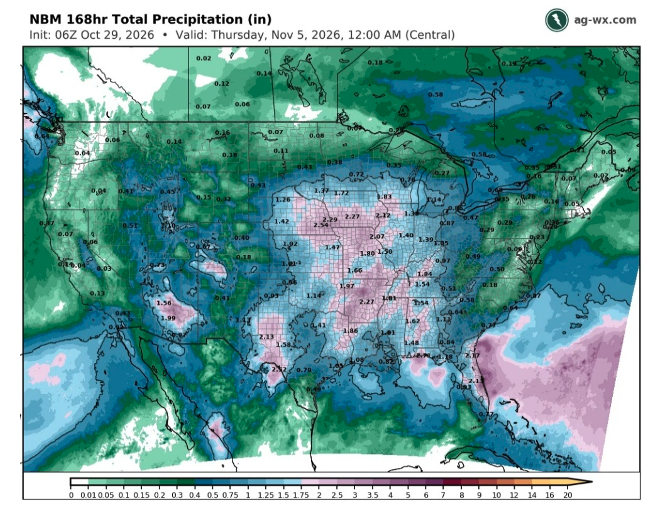
First week of November looking wet though… As of “press time” (October 29), next week looks like it will greatly improve top soil moisture levels in much of the Midwest.
Rethinking fall ammonia?
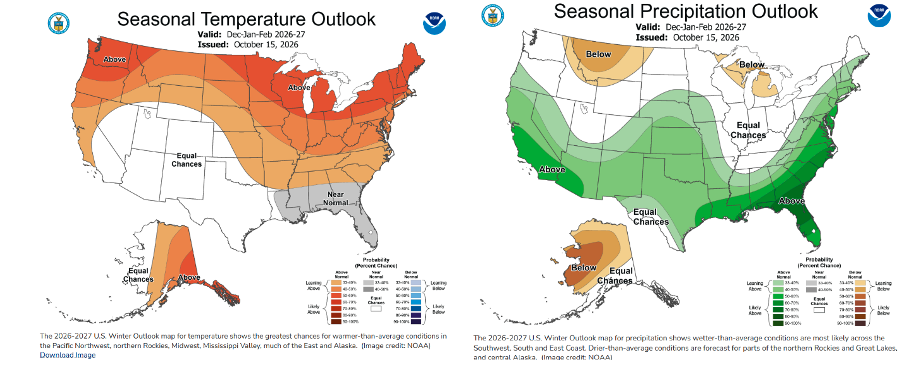
The current winter (December, January and February) temperature outlook looks very warm with normal to above normal precipitation for the Midwest. That scenario would shorten inhibitor “persistence” and would lead to increased leachable nitrates if the spring is warm and wet…
Related Articles